Skincare & Supplement Ingredients: Complete A-Z Science Library (2026)
Written & Reviewed by Dr. Rida Tahir, PharmD
Deep-dive guides into every skincare active and supplement ingredient — mechanisms, clinical evidence, correct dosages, and safety.
Last Updated:
Why Trust Our Ingredient Guides?
✅ PharmD Reviewed
By Dr. Rida Tahir, PharmD
📚 Evidence-Based
Peer-reviewed clinical sources
🔄 Regularly Updated
Refreshed every 6 months
Knowing that a product contains retinol is one thing. Understanding that retinol must convert to retinoic acid across two enzymatic steps before it becomes active — and that 0.1% retinol produces meaningfully different results from 0.025%, and that applying it to damp skin doubles irritation risk — is the kind of knowledge that separates a routine that works from one that doesn't. This section is built for that second level of understanding.
Every ingredient guide here is written by Dr. Rida Tahir, PharmD, who approaches skincare actives and supplement compounds the same way she approaches any pharmaceutical agent: with a full mechanism-of-action analysis, a graded review of the clinical trial evidence, a realistic assessment of bioavailability and formulation quality, and an honest list of contraindications and interactions.
Most ingredient content online stops at 'niacinamide reduces pores and brightens skin.' We go further: which concentration does the research actually support? What is the mechanism — melanin transfer inhibition vs sebum regulation? Does it combine well with retinol and vitamin C in the same routine, or does layering order matter? What does a quality niacinamide formulation look like on a label? These are the questions this library answers.
Browse by Ingredient Category
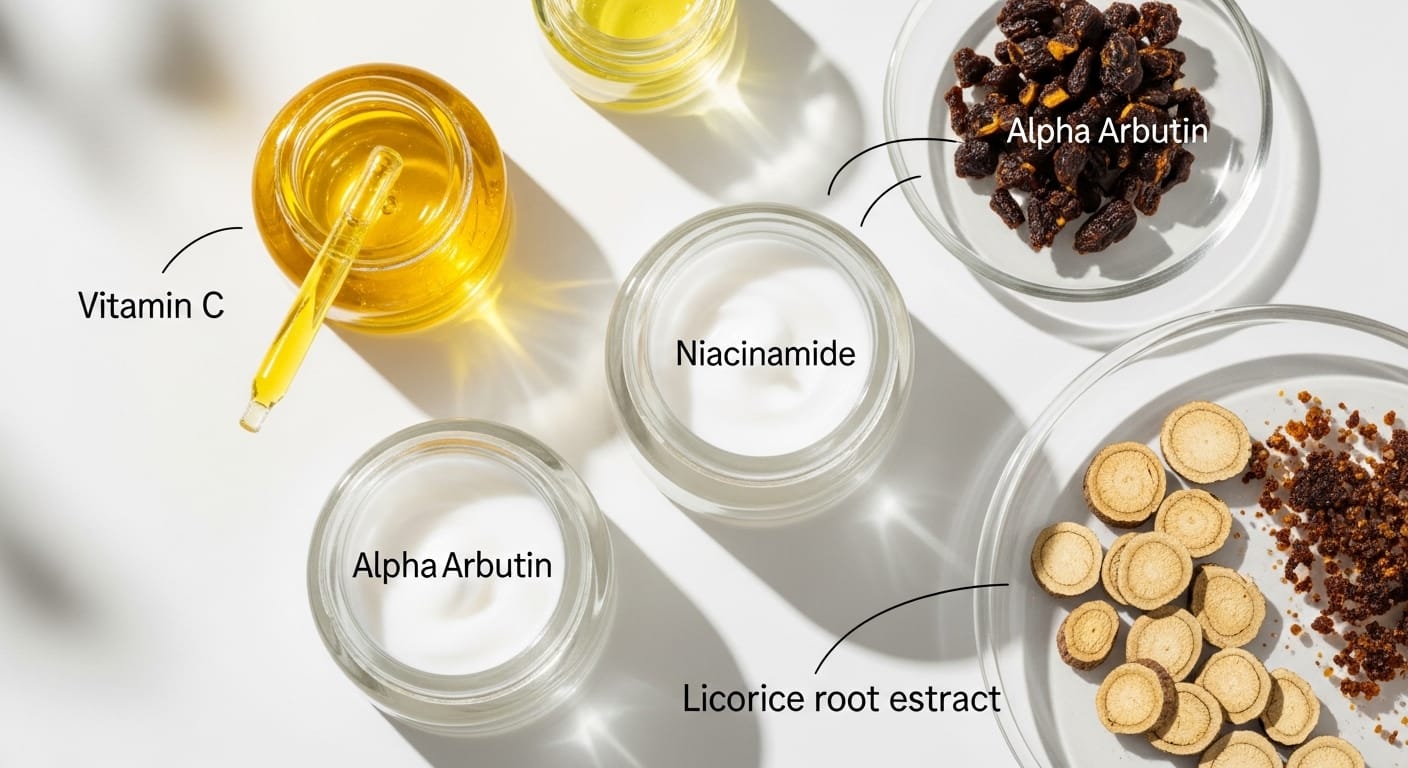
⭐ Brightening Actives
Tranexamic acid, Vitamin C, Alpha-arbutin, Kojic acid, Azelaic acid.
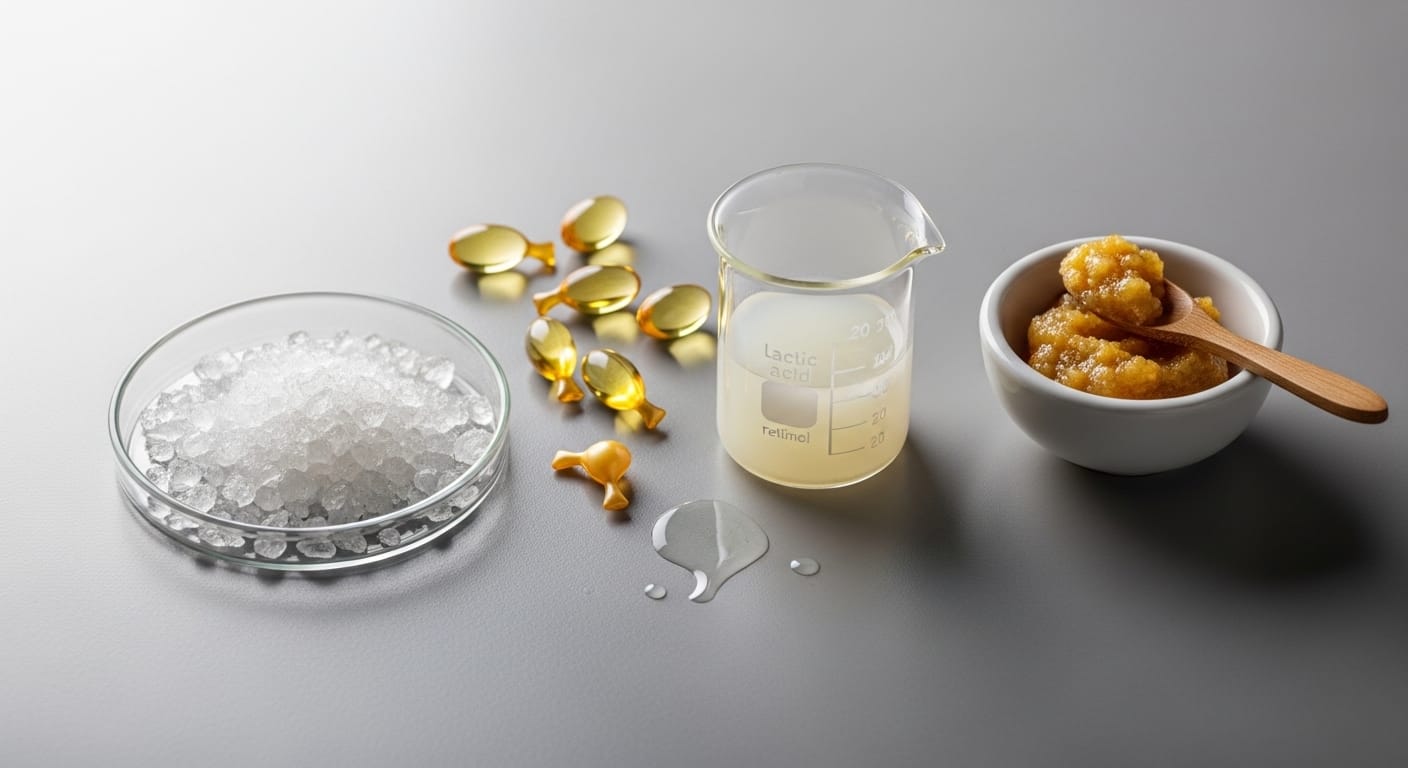
🔄 Cell Turnover
Retinol, retinaldehyde, glycolic acid, lactic acid, salicylic acid.
💧 Hydration & Barrier
Hyaluronic acid, ceramides, niacinamide, glycerin, squalane.
🛡️ Antioxidants
Vitamin C, Vitamin E, resveratrol, astaxanthin, CoQ10.
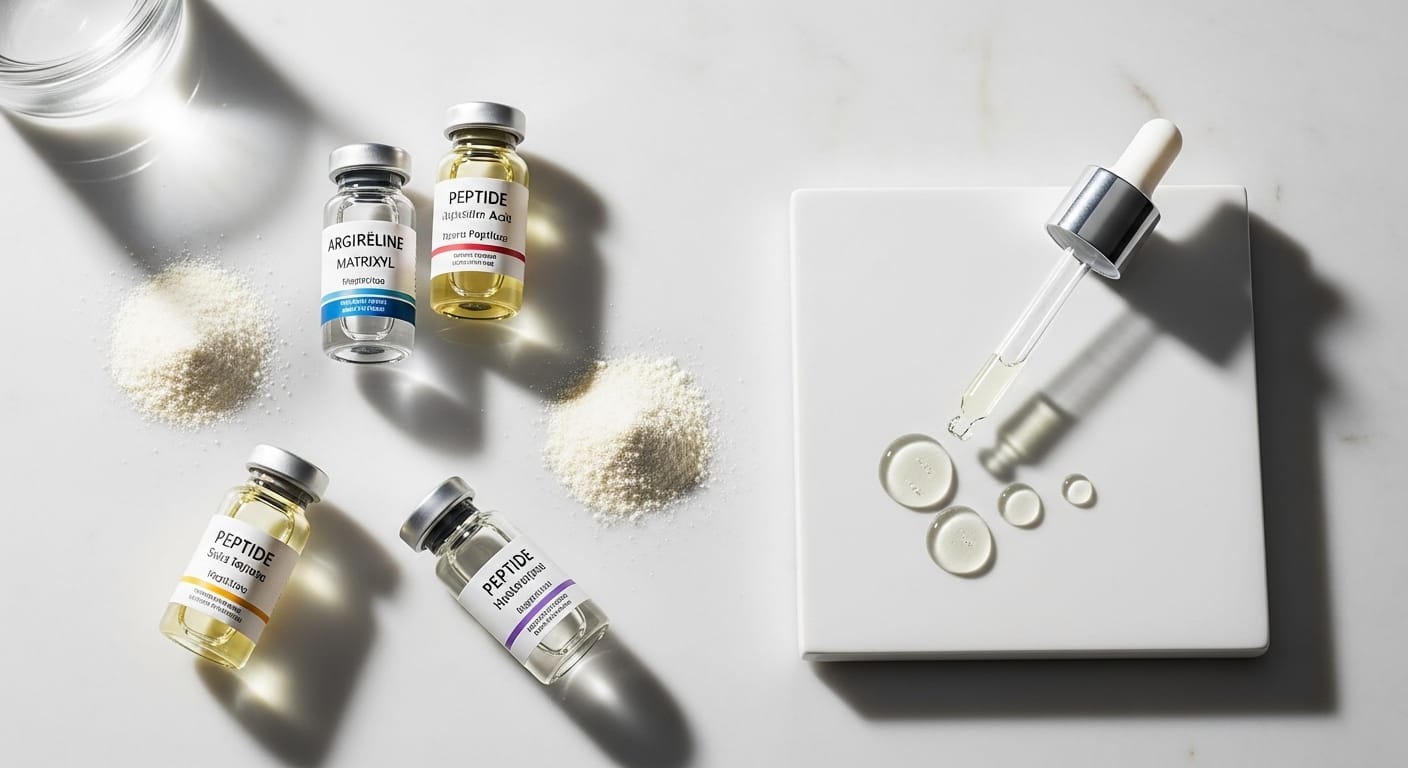
🧬 Peptides
Matrixyl, Argireline, collagen peptides, growth factors.
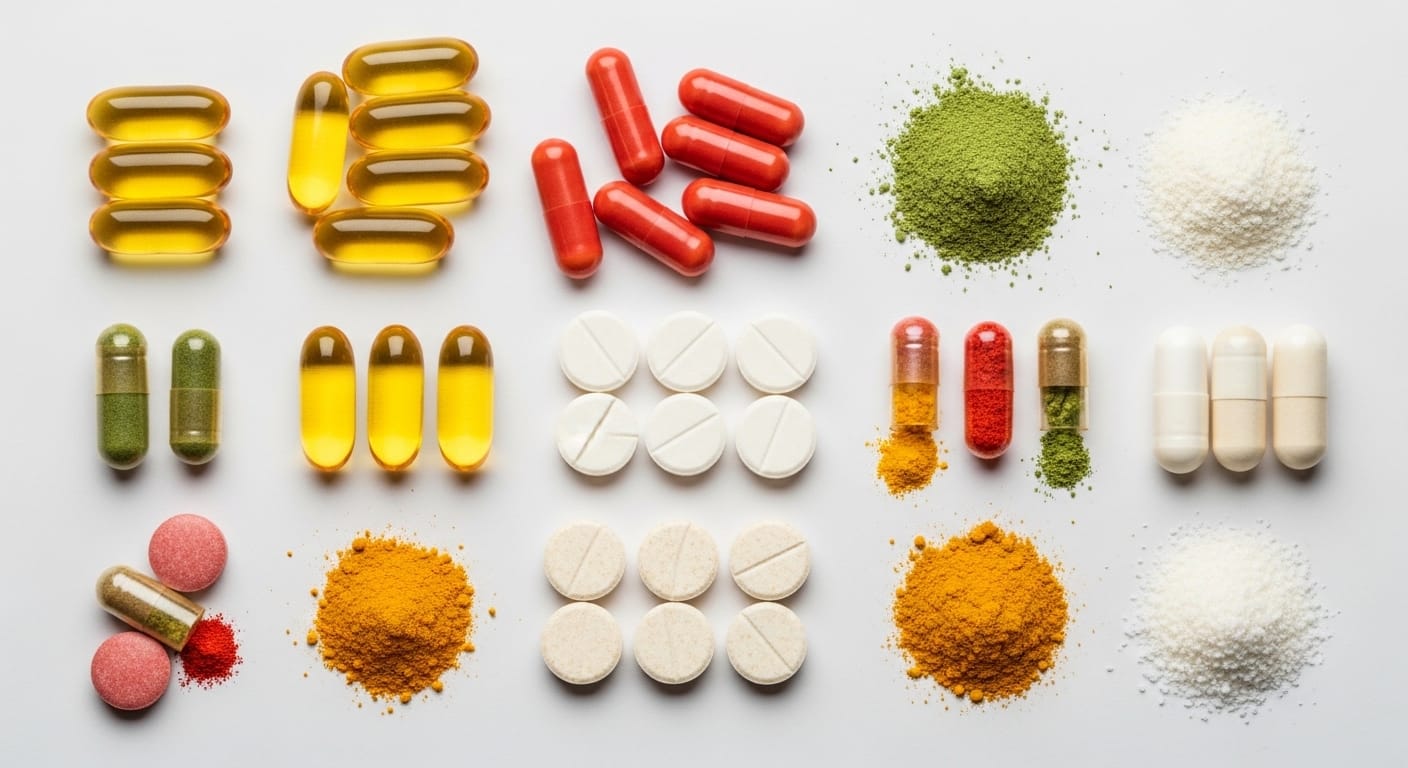
💊 Supplement Ingredients
Vitamin D3 vs D2, magnesium forms, omega-3 guide, probiotics.
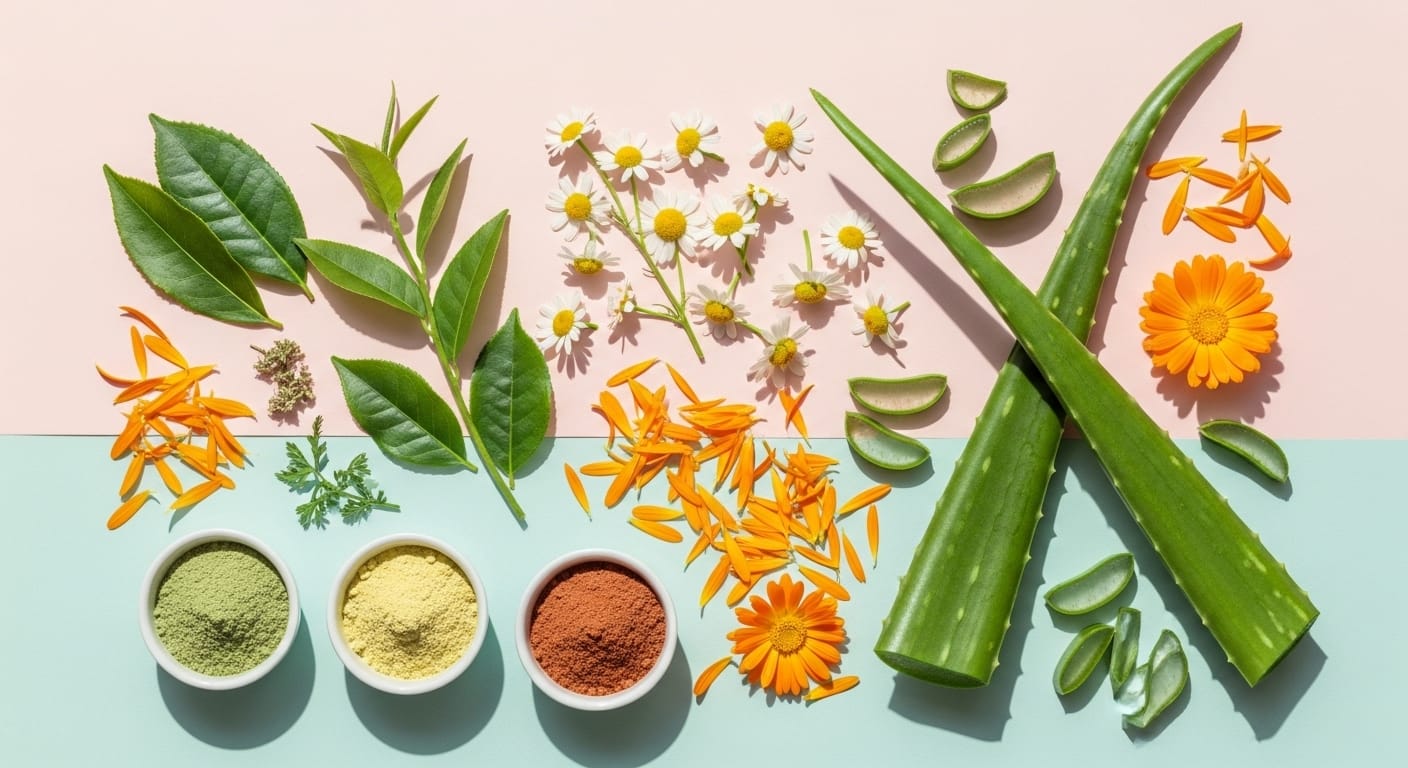
🌿 Herbal & Botanical
Turmeric, Ashwagandha, Berberine, Rhodiola, EGCG.
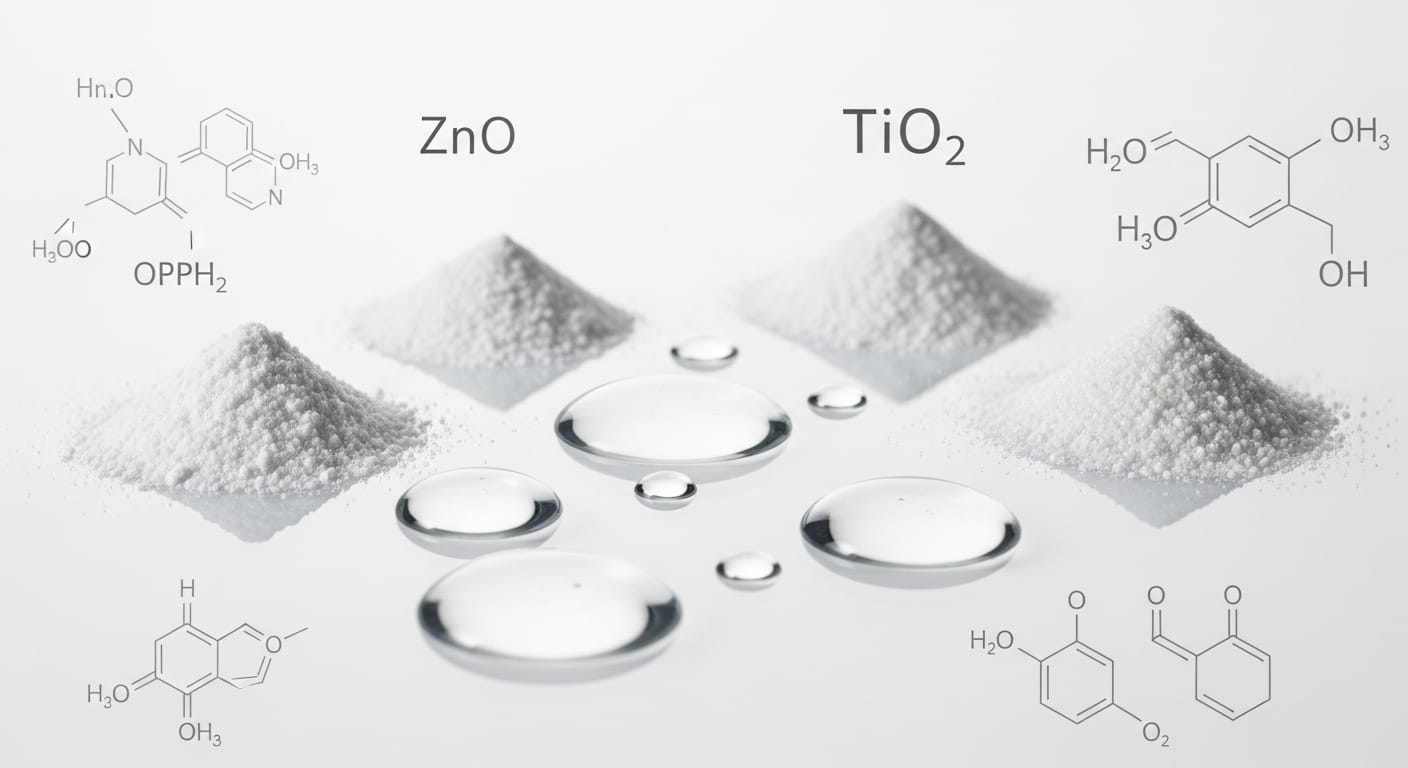
☀️ UV Filters & SPF
Chemical vs mineral sunscreen, Zinc oxide, UVA/UVB science.
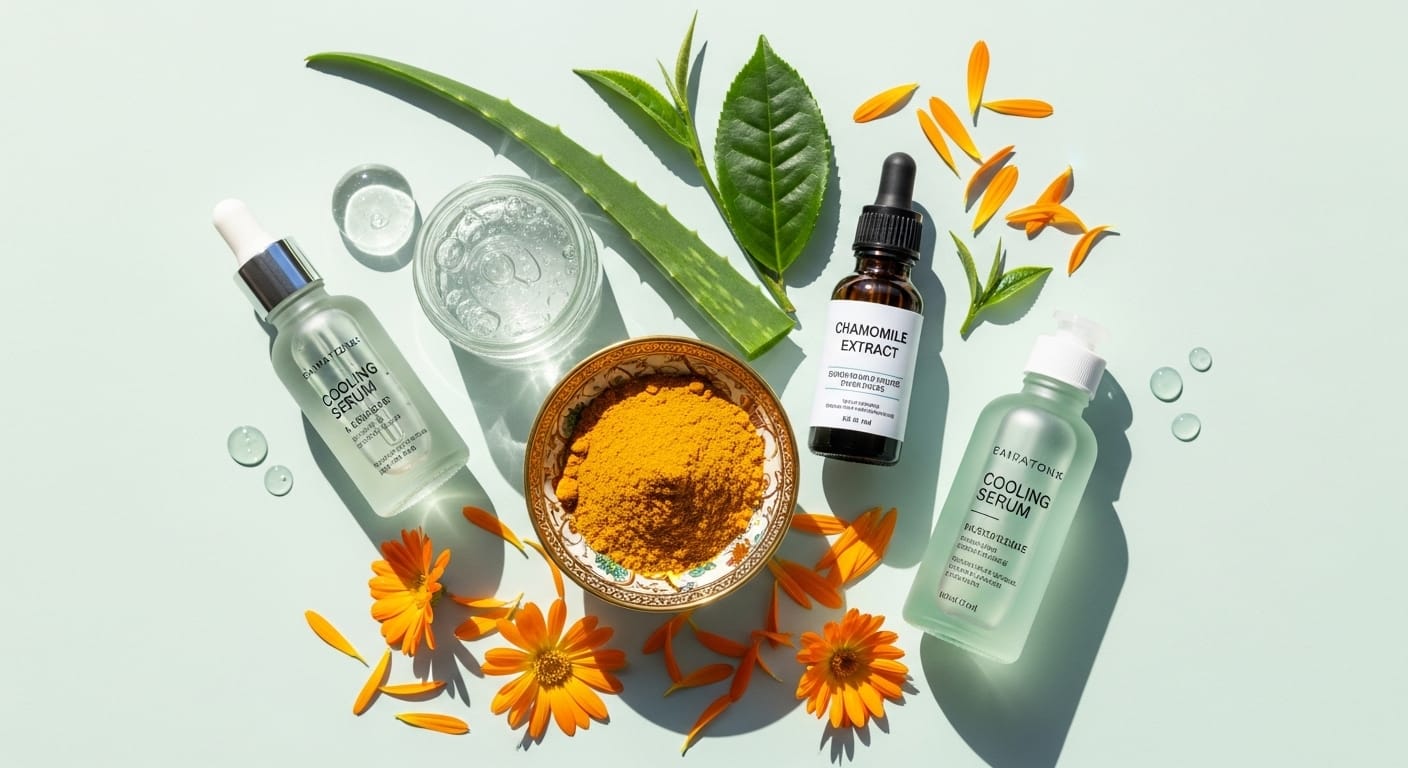
🌱 Anti-Inflammatory
Centella asiatica, Panthenol, Allantoin, Bisabolol.
Why Ingredient Literacy Is the Most Valuable Skincare Skill
People who understand ingredients spend less on skincare and get better results. They don't buy four products that all do the same thing. They don't layer actives in the wrong order and wonder why their skin is irritated. They don't fall for marketing terms like 'clinical strength' or 'advanced formula' that mean nothing in a regulatory context.
This library exists to give you that fluency — so that when you read any product label, any ingredient list, or any skincare claim, you have the knowledge to evaluate it yourself.
Most Read This Month
Niacinamide: Complete Science Guide
Mechanism, ideal percentage, layering rules, and who should avoid it.
Retinol vs Retinal vs Tretinoin
Conversion pathways, irritation risk, and real-world strength comparison.
Vitamin C Forms Explained
L-ascorbic acid vs derivatives — stability and absorption breakdown.
Magnesium Types Compared
Glycinate, citrate, threonate — which form is actually evidence-based?