Skin Concerns: Dermatology-Grade Guides
Written & Reviewed by Dr. Rida Tahir, PharmD
Clear, clinically accurate guides to acne, hyperpigmentation, aging, rosacea & more — explained with cosmetic pharmacist-level insight.
Last Updated:
Why Trust Our Skin Content?
✅ PharmD Reviewed
By Dr. Rida Tahir, PharmD
📚 Evidence-Based
Peer-reviewed clinical sources
🔄 Regularly Updated
Refreshed every 6 months
Your skin is your body's largest organ, and what shows on its surface is almost always a signal of something happening beneath it. Treating skin concerns effectively means understanding the root cause first — not just applying the most popular ingredient you saw on social media. This section approaches every skin condition the way a cosmetic dermatologist does: with a diagnosis-first mindset, an evidence-based ingredient selection, and honest expectations about realistic timelines.
Every guide is written by Dr. Rida Tahir, PharmD, a pharmacist with specialised expertise in cosmetic ingredient science who reads the actual clinical trials — not brand-sponsored summaries — before recommending any active ingredient or treatment protocol.
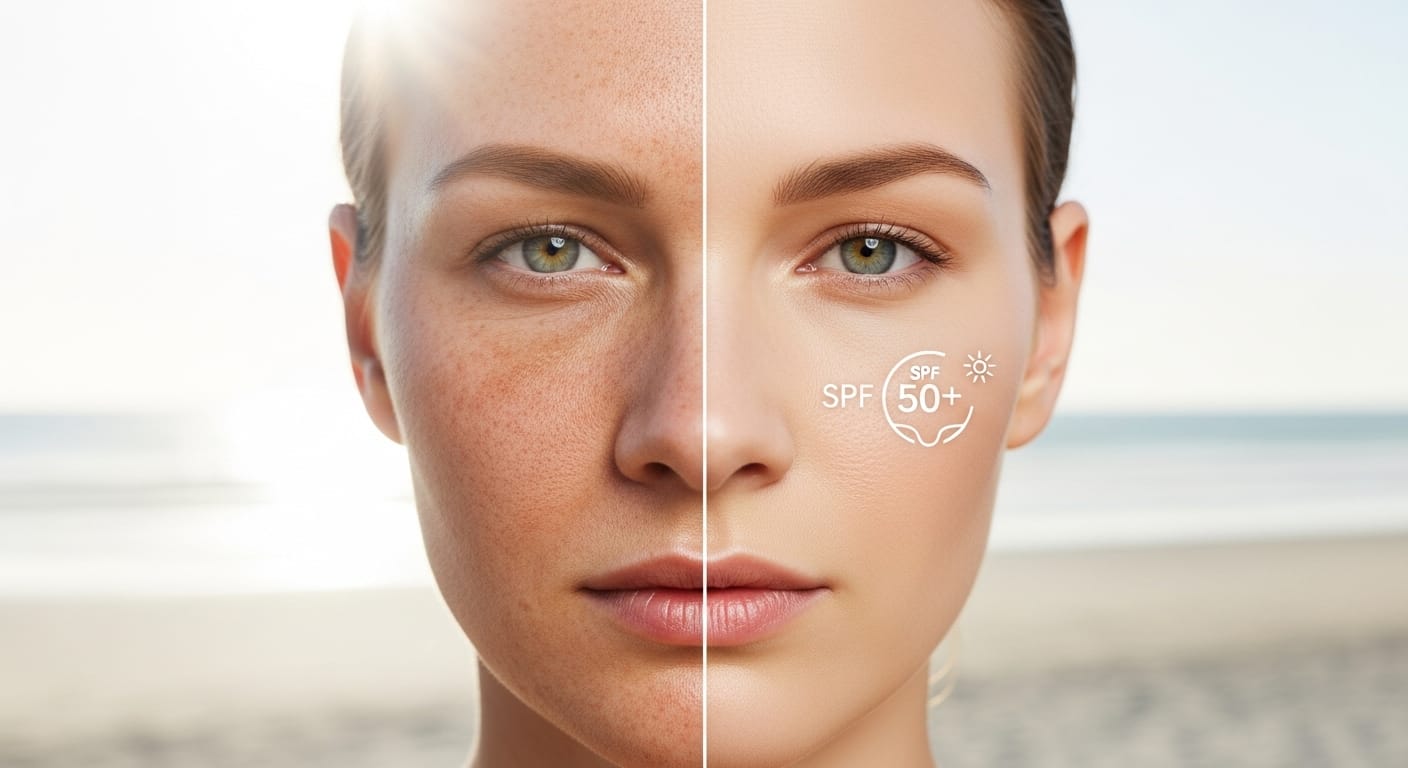
Post-acne dark spots (PIH) are treated differently from melasma — even though both are called 'hyperpigmentation.' Hormonal acne requires a different strategy than bacterial or fungal acne. Dry skin with a compromised barrier needs different ingredients from skin that is simply dehydrated. Getting these distinctions right is the difference between a routine that transforms your skin in 8 weeks and one that wastes 8 months of your money.
What Every Skin Concern Guide Covers
The Root Cause Approach
Most skincare content tells you to 'try niacinamide for dark spots' without explaining that niacinamide works on a different mechanism than tranexamic acid, which works differently again from retinol — and that which one you choose should depend entirely on the type and depth of your pigmentation.
Here, we teach you the why behind every recommendation. Because when you understand how ingredients work, you stop guessing and start seeing results.
Every Guide Includes
- What the condition is and how it develops in the skin
- Types & subtypes — critical for selecting the right treatment
- Root cause diagnosis: hormonal, bacterial, UV-driven, or internal
- Ingredients ranked by clinical evidence strength
- AM & PM routine templates with correct layering order
- Realistic treatment timelines from clinical studies
- Specific guidance for brown & darker skin tones
- When topical treatments are not enough — professional options
Explore Skin Concerns
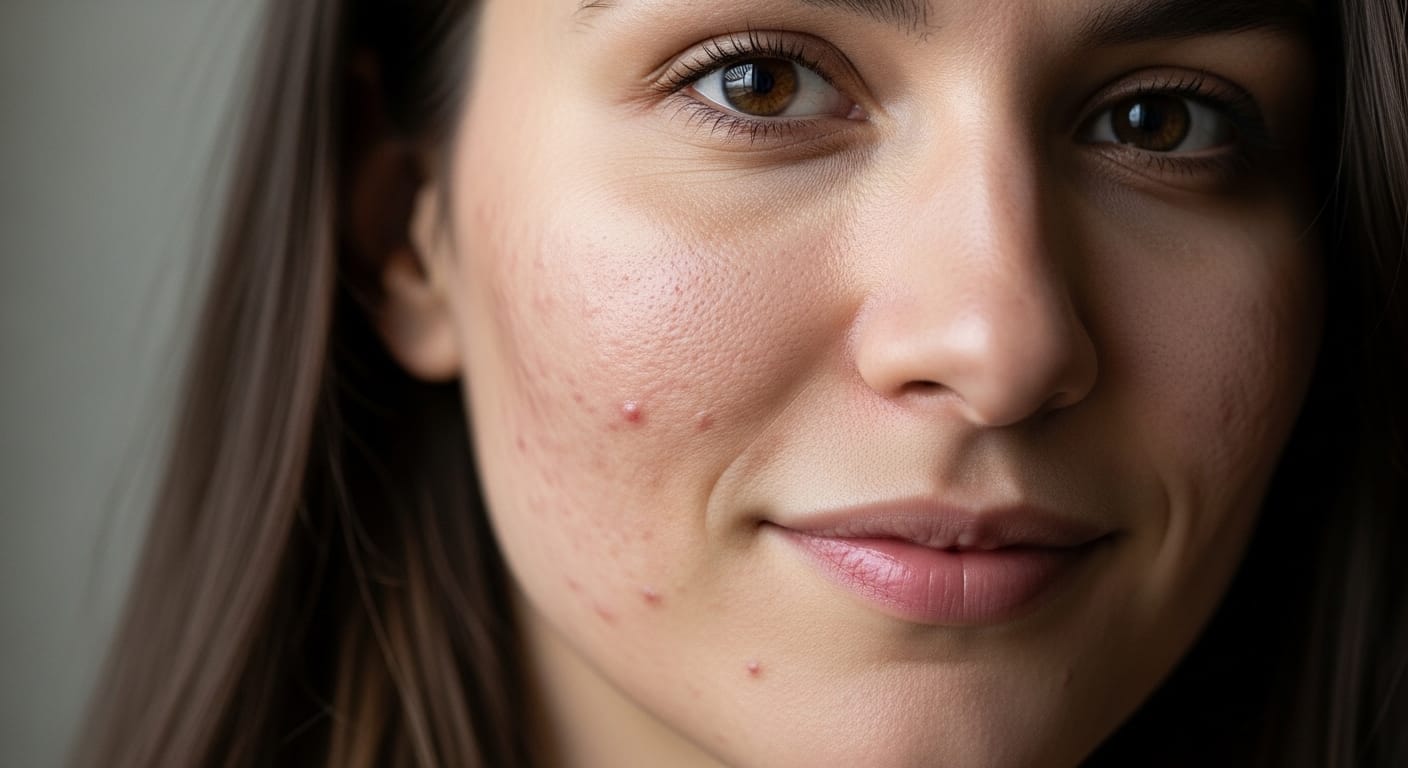
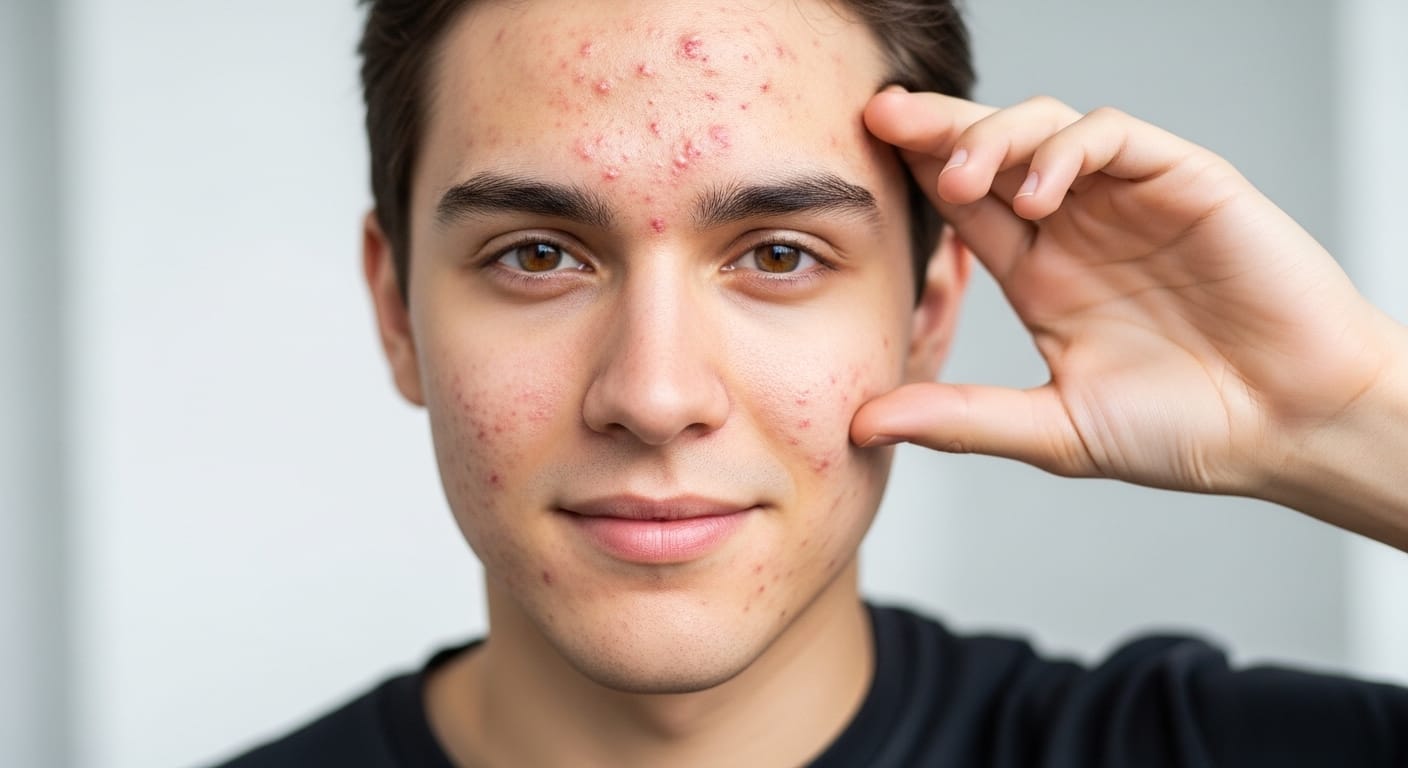
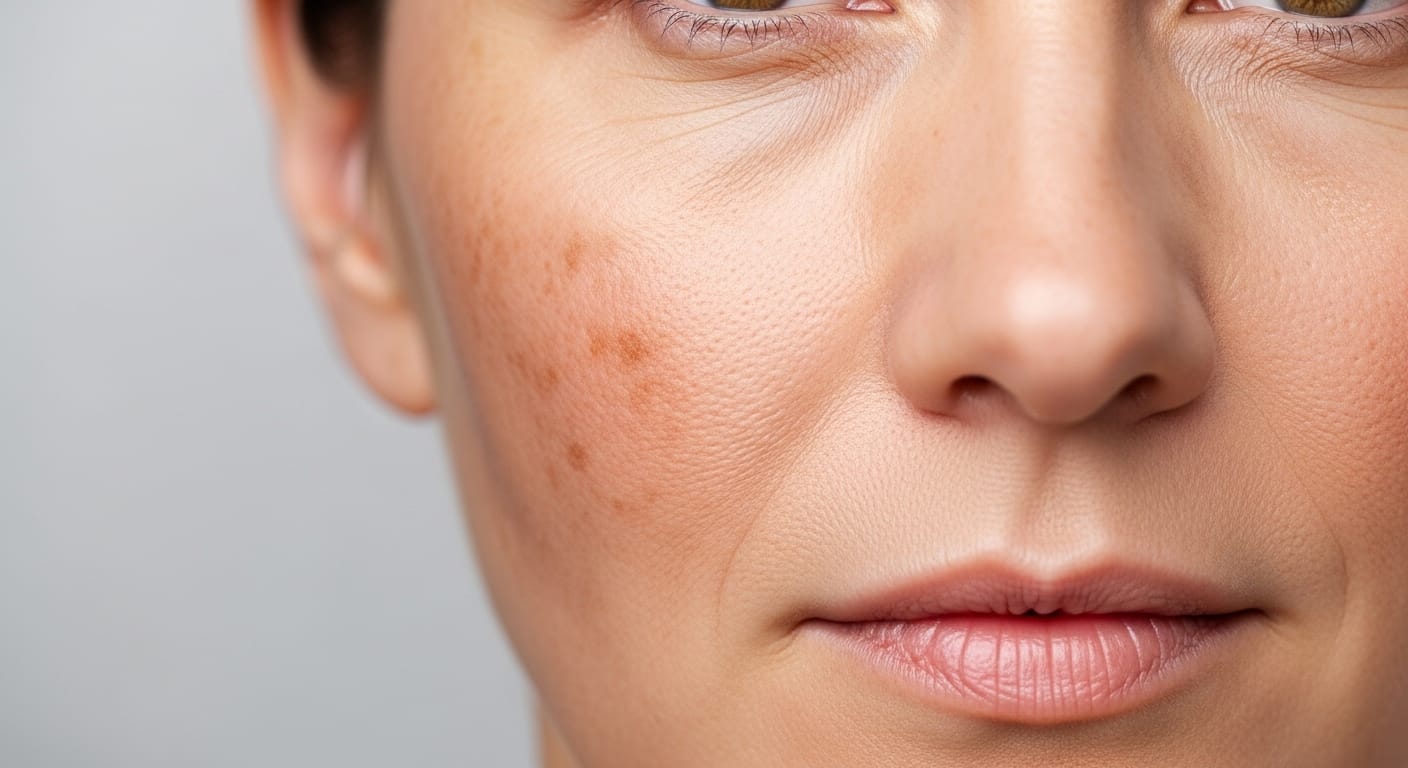


Rosacea & Sensitive Skin
Redness triggers, barrier repair and calming dermatology-approved routines.
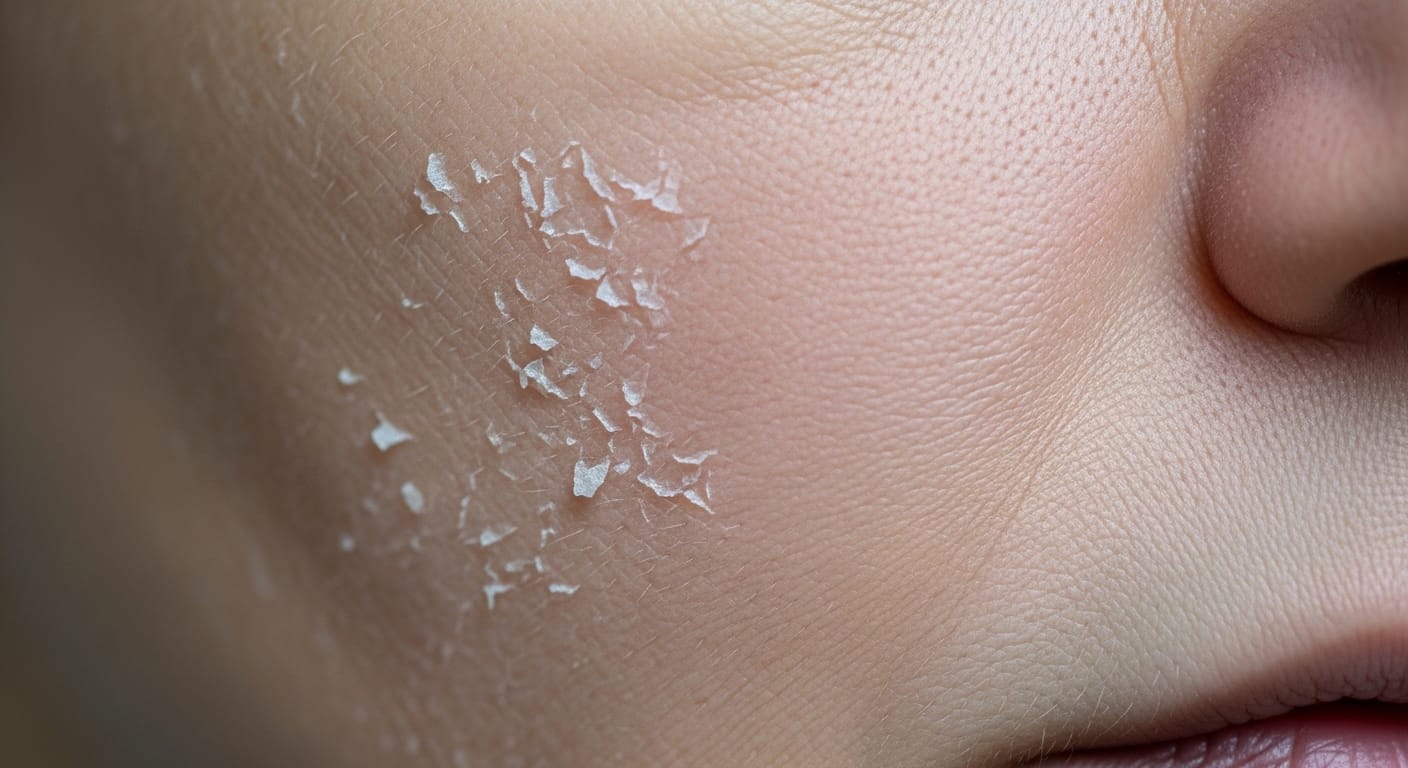
Most Read This Month
Best Niacinamide Serum Guide
Clinical breakdown of strengths, percentages and layering.
Retinol Beginner's Guide
How to start safely without irritation or barrier damage.
How to Repair Your Skin Barrier
Dermatology-backed routine for redness and sensitivity.